
How To Make a Bobble Stitch

Source: TL Yarn Crafts on YouTube
The bobble stitch is a unique crochet technique that adds a rich, textured look to your projects. To create a bobble stitch, begin by working several incomplete double crochet stitches into the same base stitch, then complete them together to form the distinctive bobble. Achieving the best results requires closely following the pattern instructions to maintain consistency. Regular practice will help you master this stitch.
For more pronounced bobbles, consider using a larger crochet hook. Remember that keeping an even tension is vital for achieving a clean and orderly finish. Experimenting with various yarn textures and colors can also introduce a personal touch to your work. Additionally, blocking your finished project can enhance its appearance, giving it a more polished and professional look.
This article will guide you through each step of creating a bobble stitch, providing tips and techniques to perfect this dynamic crochet stitch.
Bobble Stitch Details
The essential details of the bobble stitch technique include understanding its abbreviation, the required skill level, the necessary stitch and row multiples, and the distinction between the fabric's right side and the wrong side. These key points provide a thorough overview of the complexities of mastering the bobble stitch, ensuring that crafters can execute the technique accurately and achieve the desired results in their projects. Understanding these fundamental aspects is vital for successfully incorporating bobble stitches into various knitting and crochet designs.
Abbreviation
Crocheters commonly refer to its abbreviation to denote the stitch details when creating a bobble stitch.
- Yarn Selection: Suitable yarn is vital for a well-defined bobble stitch. Opt for a premier yarn that is not too delicate or too bulky to highlight the texture of the bobbles effectively.
- Bobble Technique: Mastering the bobble stitch technique involves creating clusters of stitches to form the characteristic bobble texture. Understanding the tension and placement of these stitches is key to achieving the desired look.
- Color Coordination: Selecting yarn colors that complement each other can enhance the visual appeal of the bobble stitch pattern. Experimenting with different color combinations can create stunning effects in your crochet projects.
Skill Level
Mastering the intricacies of creating a bobble stitch requires attention to detail and practice to achieve proficiency in this textured crochet technique. The complexity of the bobble stitch lies in its ability to add dimension and interest to projects through the use of raised stitches.
Stitch Multiple
Exploring the versatility of stitch multiples in creating bobble stitches enhances the textural appeal of crochet projects. When delving into bobble stitch details, consider the following:
- Bobble Stitch Colorwork: Experiment with using different colored yarns to create vibrant and eye-catching bobble stitch patterns.
- Bobble Stitch Embellishments: Add beads, sequins, or other embellishments to enhance the visual appeal of your bobble stitches.
- Bobble Stitch Tension Control: Adjusting the tension of your yarn can impact the size and firmness of the bobbles, allowing for customization.
These elements are important in elevating your crochet creations' aesthetic and overall look, offering a unique touch to your projects.
Row Multiple
Understanding the concept of row multiples is vital for achieving intricate and structured designs and for further enhancing the texture and visual appeal of your crochet projects utilizing bobble stitches. Bobble stitch tension plays a significant role in guaranteeing that the bobbles pop and stand out effectively within your work.
Right Side Vs. Wrong Side
Understanding the distinction between the right and wrong sides in bobble stitch details is essential for achieving a polished and professional finish in your crochet projects. When considering bobble stitch placement, ensuring that the bobbles are visible on the right side of the work is vital.
Step-by-Step Bobble Stitch Instructions
Understanding the step-by-step instructions is essential to successfully creating a bobble stitch. These detailed guidelines guarantee that crafters can accurately form the distinctive bobbles in their work. Following these precise steps will result in beautifully textured and visually appealing crochet projects.
The Bobble Stitch
A key crochet technique that adds texture and dimension to your projects is the bobble stitch. This stitch creates raised, puffy clusters on your fabric, giving it a unique and eye-catching look.
Including the bobble stitch in your repertoire can elevate your creations, whether it's clothing, accessories, or home decor items.
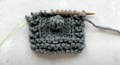
Source: Two Of Wands on YouTube
Bobble Stitch Variations
Exploring bobble stitch variations can offer a range of creative possibilities, from taller bobbles that stand out more prominently to smaller bobbles that provide a subtle texture. By adjusting the number of loops pulled through in each bobble stitch, crafters can effectively tailor the size and appearance of the bobbles to suit their project's design needs.
Taller Bobbles
Incorporating taller bobbles into your crochet projects can add an intricate and dimensional touch to your designs. While maintaining the essence of the classic bobble stitch, elevating the height brings a new level of creativity and texture to your work.
Smaller Bobbles
Exploring smaller bobbles within the bobble stitch repertoire further elevates the intricacy of crochet designs and introduces a subtle dimension to textile creations. When delving into bobble stitch variations, opting for more miniature bobbles can add a delicate touch to your projects. Bobble stitch swatches showcasing diminutive bobbles exhibit a dainty and refined aesthetic, perfect for enhancing garments or accessories with a touch of texture.
Bobble Stitch Swatches
The POINTS to be discussed in the Bobble Stitch Swatches section encompass Materials And Tools, Abbreviations, Even Bobble Swatch, Offset Bobble Swatch, and All-Over Bobble Swatch. These topics will provide a thorough overview of different aspects related to creating bobble stitch swatches, including the necessary materials, the abbreviations used, and various swatch patterns to try out.
Materials And Tools
Gathering the necessary materials and tools to execute the technique effectively is imperative for creating bobble stitch swatches.
When considering bobble placement, make sure they are evenly spaced for a uniform look. Drawing inspiration from various patterns can help in creating unique and visually appealing bobble stitch swatches.
Abbreviations
Understanding the abbreviations commonly used in crochet patterns is essential for following instructions accurately when creating bobble stitch swatches. Different yarn types, such as acrylic, alpaca, cotton, polyester, and nylon, can be used for creating bobble stitch variations. Following specific abbreviations and instructions can achieve various bobble stitch patterns.
Even Bobble Swatch
Creating an evenly textured bobble swatch using the bobble stitch technique requires precision and attention to detail.
- Bobble stitch edging can add a decorative finish to your project.
- Colorful bobble clusters can bring vibrancy and dimension to your design.
- Bobble stitch blankets, hats, and scarves are popular choices for showcasing the unique texture of this stitch.
Offset Bobble Swatch
Incorporating an offset bobble swatch into your knitting project can introduce an intriguing asymmetrical texture. This technique involves creating bobble stitches staggered or off-center, adding depth and visual interest to your work. Offset bobble stitch techniques require careful placement of bobbles to achieve the desired effect. Consider incorporating this method into your next project to create a unique, eye-catching design.
All-Over Bobble Swatch
Consider incorporating an all-over bobble swatch using the bobble stitch technique for an intricate and textured design. This technique allows for creativity and depth in your projects. Here are some ideas to inspire you:
- Bobble stitch colorwork: Experiment with different color combinations to create stunning patterns within your bobble stitch swatch.
- Bobble stitch texture play: Vary the size of the bobbles or combine different stitches to add dimension and interest to your fabric.
- Bobble stitch garment ideas: Use the all-over bobble swatch to craft unique sweaters, hats, or even gloves that will stand out.
Tips And Tricks For Perfect Bobbles
Consider employing these expert techniques to achieve flawless bobble stitches in your crochet projects. Pay close attention to the importance of bobble stitching to guarantee consistency in the size and shape of your bobbles. Selecting the suitable yarn is essential; opt for a yarn that is not too thick or too thin to showcase the bobbles effectively. Carefully plan the placement of your bobble stitches within your pattern to create a visually appealing design.
Crochet Patterns With Bobbles
Explore a variety of crochet patterns that feature bobble stitches as a prominent design element. Bobble stitch projects offer a fun and textured look to your creations. Consider trying out some bobble stitch tutorials to master this technique and incorporate it seamlessly into your work. If you're looking to make accessories, bobble stitch hat patterns can add a playful touch to your winter wardrobe.
FAQs About Bobble Stitch
Let's address some common questions regarding the bobble stitch technique. Do bobble stitches require a significant amount of yarn? When should you crochet a bobble stitch - on the right or wrong side? What distinguishes a popcorn stitch from a bobble stitch?
Does a bobble stitch use a lot of yarn?
When creating a bobble stitch, the amount of yarn required can vary depending on the pattern and yarn weight chosen. Factors influencing yarn consumption include bobble stitch tension, size, weight impact, and bobble stitch patterns. Here are three key points to keep in mind:
- The tighter the bobble stitch tension, the more yarn will be needed to create each bobble.
- Larger bobble stitch sizes will naturally require more yarn compared to more miniature bobbles.
- Different yarn weights can significantly impact the yarn used for each bobble stitch, with heavier weights requiring more yarn.
Taking these factors into account will help you estimate the yarn needed for your bobble stitch projects more accurately.
Do you crochet a bobble stitch on the right or the wrong side?
Crocheting, a bobble stitch, is typically done on the right side of the fabric to create the distinctive raised texture. The placement of the bobble stitch on the right side enhances its visual impact, making it more pronounced and decorative. When working on the right side, crocheters can better control the tension of the bobble stitch, ensuring that it stands out prominently.
What is the difference between a popcorn stitch and a bobble stitch?
A notable distinction between a popcorn stitch and a bobble stitch lies in their construction and appearance.
- Stitch comparisons: Popcorn stitches are made by joining multiple double crochet stitches into the same stitch, creating a puff stitch. On the other hand, Bobble stitches consist of groups of partially completed double crochet stitches joined at the end to form a bobble.
- Texture differences: Popcorn stitches tend to have a more pronounced and rounded look compared to the more compact and clustered appearance of bobble stitches.
- Design possibilities: While popcorn stitches offer a more pronounced raised texture, bobble stitches provide a denser and more textured effect, allowing for diverse design options in crochet projects.